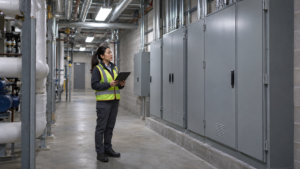
After commercial water intrusion, assign each affected building system its own review and restart decision. A repaired leak or completed cleanup does not establish that electrical equipment, ventilation, elevators or fire protection can return to service. Record who is qualified to evaluate each system and what remains unresolved.
Build a register of decisions
Create a working list with the system, affected location, current status, responsible specialist and required documentation. Include dependencies: a contractor may need authorized power before drying equipment operates, while another task may require the area to remain isolated. Keep uncertainty visible instead of marking every system ready when one trade finishes.
The EPA’s commercial-building mold guidance calls for assessing moisture problems, selecting appropriate expertise and revising the remediation plan when new facts emerge. It also cautions against operating HVAC equipment when contamination is known or suspected. Have the appropriate professional evaluate affected equipment before use; occupants should not test it themselves.
Separate work completion from authorization
For a hypothetical office property, a suite’s finishes may be repaired while a shared system remains under review. Record those as different conditions. A contractor’s completion note describes its work; an inspection report or authority’s authorization addresses a different responsibility. Ask each reviewer to state the location and limits of the assessment.
Do not use the register to substitute a manager’s judgment for required inspections or qualified assessment. Identify the utility, building authority or fire authority involved when applicable. Keep operating restrictions, outstanding tests and follow-up dates beside the relevant system rather than buried in a general email thread.
Communicate the resulting limits to tenant contacts and incoming contractors. The EPA recommends explaining investigation and remediation status to building occupants. State what is known, what remains under review and when the next update will arrive. Avoid a broad announcement that the building is safe.
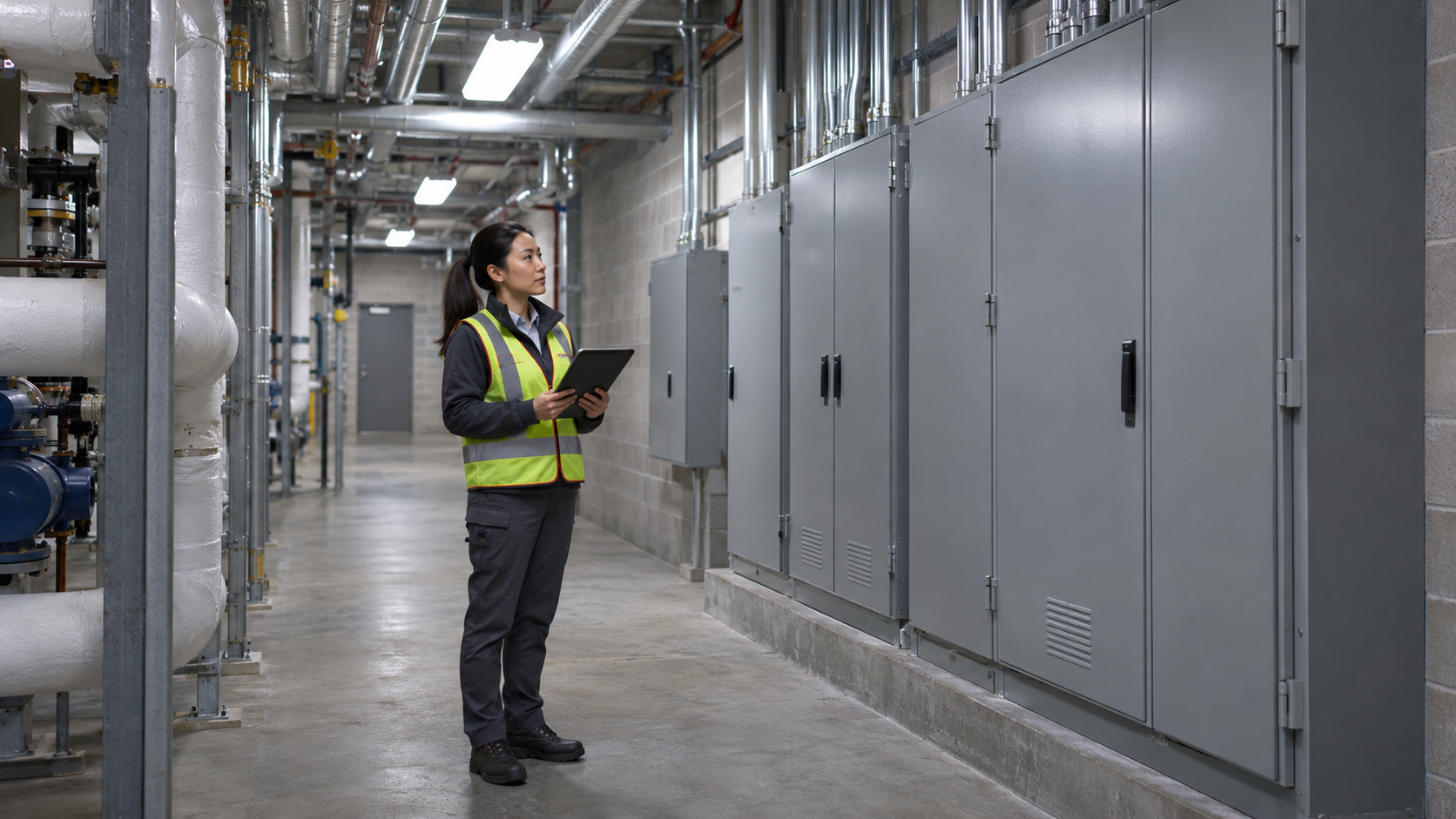
Record the reviewer, date and system identifier on each report. Similar equipment in another suite should not inherit a completed status merely because its cabinet or model looks familiar.
NDR’s Commercial Property Recovery archive covers related repair decisions. Before scheduling a restart, reconcile each unresolved register entry with the responsible reviewer and retain the supporting written record.