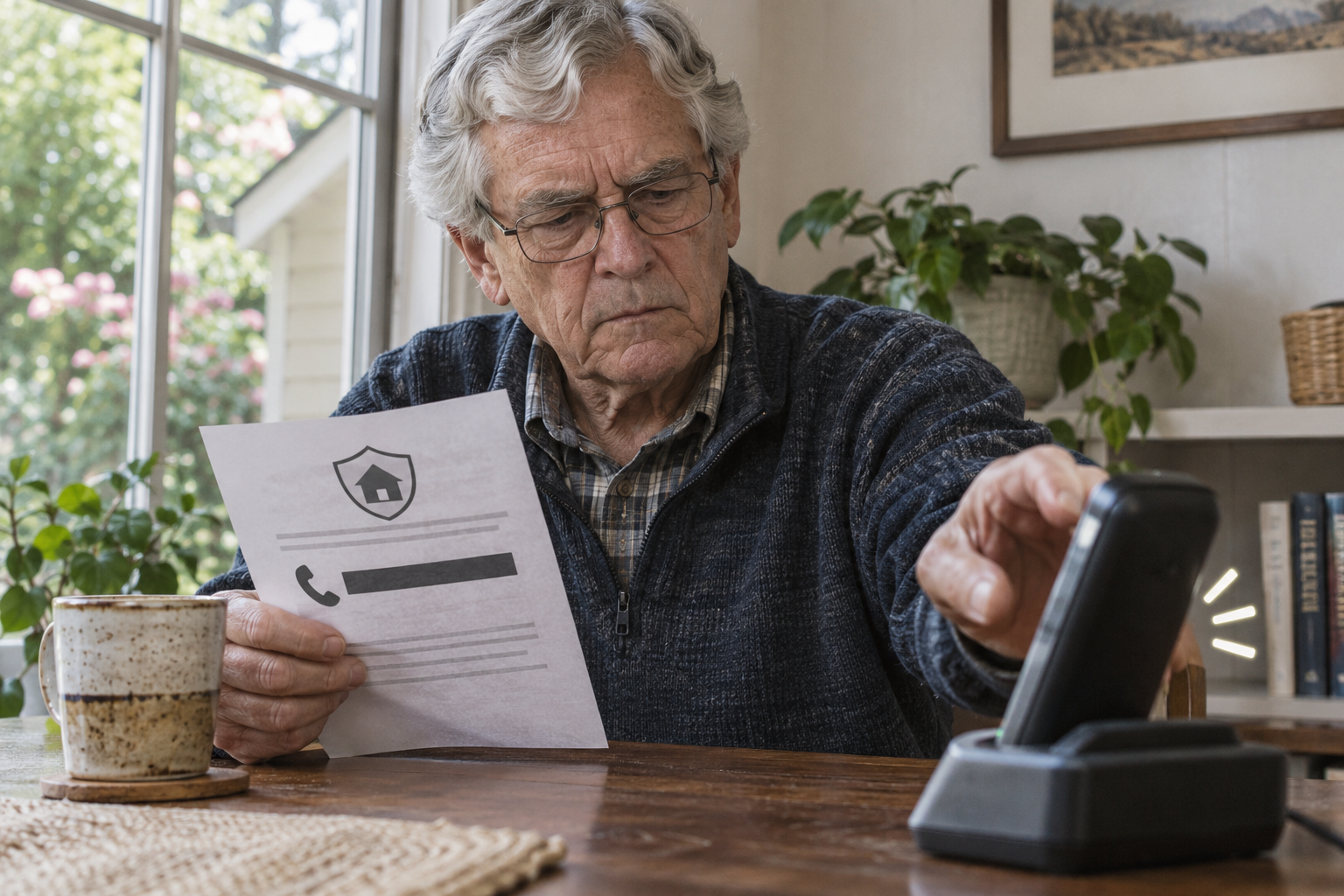

After a disaster, an unexpected caller may sound urgent and informed. That does not establish that the caller represents an insurer, contractor or government agency. Pause before sharing a policy number, bank information, one-time code or access to the property.
What to establish first
Use the contact number on the policy, insurer website or a prior verified statement to confirm the person and claim. The FTC’s scam-prevention guidance recommends independently verifying unexpected contacts rather than relying on a number or link supplied by the caller.
Keep a call log with the name used, number displayed, date, claim reference and requested action. Legitimate claim communication can still be urgent, but a verified route protects the policyholder from making a rushed decision based on pressure or a spoofed identity.
Keep decisions traceable
Do not sign a contract or assignment, authorize electronic payment or provide credentials because someone says a deadline is immediate. Coverage, contractor requirements and emergency work may have real deadlines; ask the verified insurer or appropriate authority how to protect the property while information is checked.
Share the concern with household members, especially if multiple people may answer calls. This precaution does not accuse every caller of fraud. It creates a simple boundary: verify first, then provide only the information needed for the confirmed purpose.
Document the next review
Use a dated decision record for insurance fraud: the observation, source document, contact and next response. It separates a confirmed instruction from an assumption made under pressure.
Coverage, safety and operating decisions can involve different people. Preserve those boundaries and ask the appropriate qualified party to resolve the remaining question.
The next action should match the evidence and the role of the person taking it. Document that connection, then recheck conditions when expected information arrives.
If circumstances change, revise the record promptly rather than relying on an earlier assumption. A dated update gives the next decision-maker a clear, evidence-based starting point.
Make the next review concrete: identify who will check, what evidence they will use and how the result will be communicated. This supports prompt action without creating a guarantee.
Keep the record with the relevant policy, contract, inspection or operational file. The next review should state what has changed, what is still unresolved and which qualified person owns the next decision.