Treat returning and restarting as separate decisions
When floodwater recedes, the urge to plug in a fan or test an appliance is understandable. But a room that looks dry has not automatically been cleared for electrical use. Recovery needs two distinct decisions: whether people can safely enter and whether affected equipment or circuits can be energized. Arrange both before treating the house as a normal worksite.
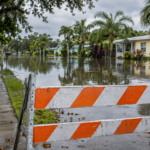
The Centers for Disease Control and Prevention says to follow local authorities’ return instructions and avoid buildings with obvious hazards, including downed lines or structural damage. It also warns against operating electrical tools, appliances or power controls when they are wet or when someone is standing in water. Do not cross water to reach a breaker panel.
Bring the right people into the sequence
OSHA’s flood recovery guidance identifies electrical hazards wherever floodwater has been near circuits or equipment. It directs people to stay clear of damaged power lines and reserve line repair for properly trained utility workers. A restoration crew’s arrival does not replace the utility’s responsibilities or establish that damaged electrical equipment is ready for use.
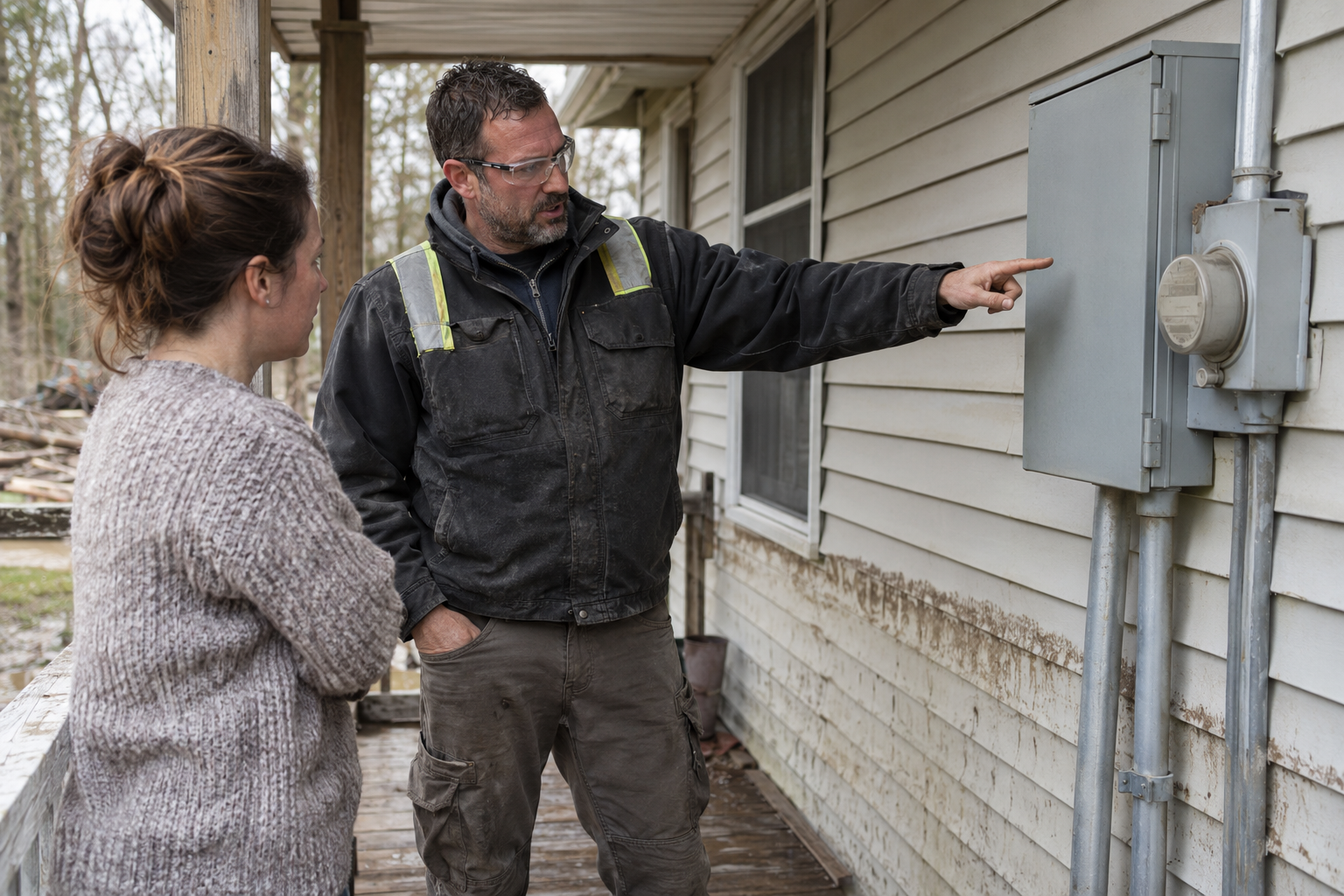
Contact the utility and a qualified electrician through the appropriate local process. Describe what flooded, whether the service was interrupted and any visible damage observed from a safe location. Ask who determines safe access, who evaluates the affected installation and what approvals are needed before restoration. Do not remove covers, probe equipment or attempt a trial restart while waiting.
Make the handoff clear
Wisconsin’s health department recommends electrical-system inspection by an electrical contractor or building inspector after flooding, including safety inspection of submerged outlets. That guidance reinforces a practical point: Do not decide that a receptacle or appliance is safe solely because its exterior dried. Tell the inspecting professional which components were exposed and let qualified evaluation determine the next step.
Create a short coordination note for the property owner, electrician and cleanup contractor. Identify restricted areas, the person responsible for electrical clearance and any equipment that must remain unused. Ask for a written explanation of the evaluation and remaining work. Clear communication helps keep a later shift or arriving subcontractor from assuming an earlier crew already authorized energizing.
Keep temporary power in the safety plan
If temporary power is proposed, discuss the arrangement with qualified professionals before work begins. CDC warns never to operate portable fuel-burning equipment inside a home, basement or garage. Generators must stay outdoors at least 20 feet from doors, windows and vents, with a battery-operated or battery-backup carbon monoxide detector in use. Temporary equipment can introduce a separate hazard.
After safe access is established, use NDR’s flood damage documentation guide to organize photographs and records without delaying urgent safety work. Keep inspection findings with the cleanup scope and share restrictions with everyone entering the property. Rebuilding moves more coherently when the permission to start each task is explicit. A receding waterline is a reason to reassess conditions, not permission to restart everything. Before each new phase, ask the same question: Who has confirmed this task can begin? Keep that answer visible in the work record and communicate any change directly to the next person arriving onsite.
Sources and editorial note
Prepared Nov. 5, 2026. Original practical guidance informed by the following primary sources, checked for this article. This article does not describe a specific customer or event.
CDC: Returning home after a natural disaster