Separate power needs from reopening
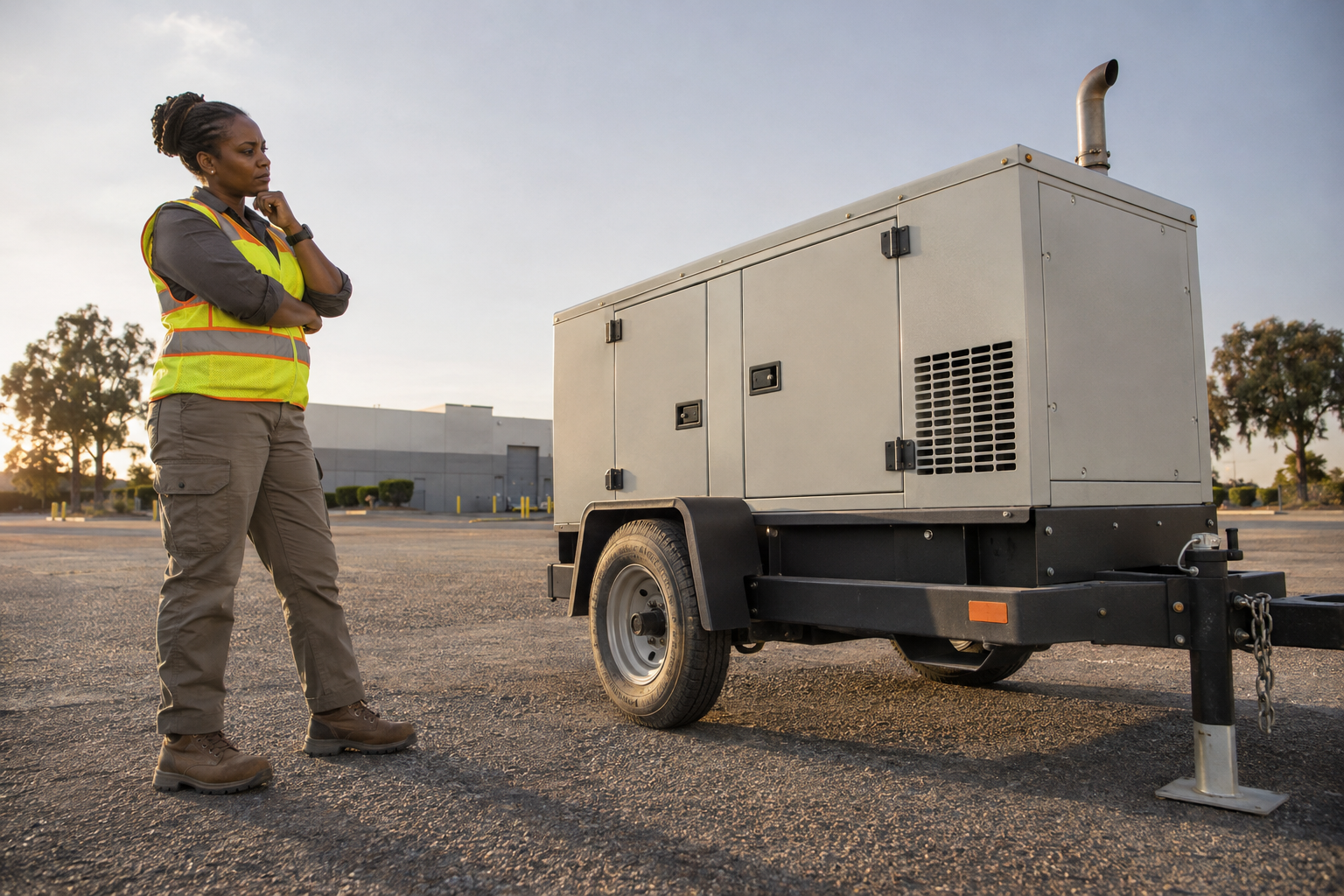
Temporary generator power should begin with a coordinated operating plan, not a delivery reservation. A commercial property manager needs to know which equipment must run, who can connect it and where the generator can operate without exposing occupants or workers to additional hazards.
OSHA’s portable generator guidance identifies electrical shock, carbon monoxide, fire and noise among the principal risks. Its guidance applies to temporary recovery work as well as other uses. Restoring electricity does not establish that damaged building systems are ready for service.
Choose the location and connection together
OSHA warns against operating generators indoors or in enclosed spaces. Outdoor placement must also prevent exhaust from entering through doors, windows or vents. An open loading bay is not a substitute for a suitable outdoor location.
A qualified electrician should evaluate connections to building wiring. OSHA says direct connection requires a properly installed transfer switch; an improvised connection can energize other wiring and endanger utility workers. Keep damaged or submerged electrical equipment out of service pending appropriate evaluation.
Ask the rental supplier and electrician to coordinate equipment capacity, starting loads, connection arrangements and manufacturer instructions. Document who will operate the unit, inspect cords, manage fuel and respond if conditions change. Keep delivery traffic and tenant access in that discussion. Assign a backup contact so responsibility remains clear across different work shifts.
Make the recovery priorities explicit
Consider a hypothetical office building needing drying equipment while tenant operations remain suspended. The property manager should distinguish power for authorized recovery work from power intended to resume ordinary occupancy. Those are separate decisions with different dependencies.
Create a short equipment list naming the responsible contractor and intended operating period. Record what remains unavailable, the next review time and who can authorize changes. This gives tenants a useful status update without promising a reopening date based solely on generator arrival.
OSHA also advises shutting down and cooling generators before refueling and keeping them dry. Have the responsible professionals resolve site conditions and applicable requirements before operation.
NDR’s Commercial Property Recovery guides address related building-system decisions. Start with an electrician and a written temporary-power plan; treat delivery as one milestone in recovery, not its finish line.