
Temporary housing and other displacement costs can be policy-specific. Ask the insurer which expenses, limits and records apply before assuming reimbursement.
Identify the decision before the work
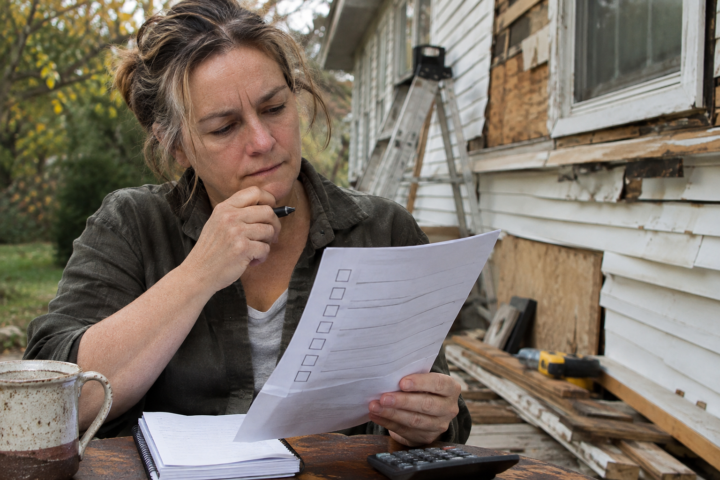
Start with a clear record of what was observed, where it was observed and what remains unknown. Photos, dated notes and written messages can help organize the recovery, but they do not establish cause, safety, coverage or a final repair scope by themselves.
The NAIC claims guidance offers standing guidance relevant to this decision. Requirements can vary by property condition, local rules, policy language and the work involved. Use qualified professionals and responsible authorities when an inspection, trade decision or safety determination is needed.
Set a practical checkpoint
Separate immediate protective steps from decisions that require additional evidence. Identify who can authorize work, what information must be gathered and when the next update will be given. This avoids treating a quick response as approval for every later cost or repair.
In a hypothetical loss, a property owner may need to approve limited action while a contractor, insurer or qualified specialist evaluates the larger question. That is a normal recovery sequence. The useful next step is to document the condition and keep the affected area available for the appropriate review.
Do not rely on appearance alone. Materials, equipment and building systems can require different evaluations even when a room looks orderly or dry. Ask for the result of any assessment in writing, compare it with the proposed work and record unresolved questions before permanent repairs hide the condition.
NDR’s related guidance can help frame the next conversation. Keep the record current as facts change and follow local direction where it applies.
Before closing this decision, confirm the responsible person, the required documentation and the condition that would require another review. A specific checkpoint helps the recovery remain traceable as work proceeds.
Before closing this decision, confirm the responsible person, the required documentation and the condition that would require another review. A specific checkpoint helps the recovery remain traceable as work proceeds.
Before closing this decision, confirm the responsible person, the required documentation and the condition that would require another review. A specific checkpoint helps the recovery remain traceable as work proceeds.