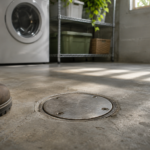

A leak near a commercial electrical room is a recovery problem with a strict boundary: staff should control access and arrange qualified evaluation, not improvise a restart. A room that looks dry may still hold hazards from water or damaged insulation.
Start with documented conditions
Document the leak location, visible conditions, access changes and immediate protective action. Keep occupants and unassigned staff out. OSHA cleanup-hazards guidance notes that suspected electrical damage requires appropriate shutdown and safety procedures before work begins.
Coordinate the property manager, electrician, restoration team, tenant representative and insurer as needed. Give each party one clear question: what needs assessment, what remains restricted, what must be preserved and who can authorize the next step? A group text without ownership is not a recovery plan.
Keep the next decision clear
Do not announce an area is ready to reopen based on one observation. Qualified assessment, applicable code and responsible authorities determine the next step. Preserve findings and the access log so the decision trail remains clear after urgent work moves elsewhere.
A controlled-access posture may feel slower at first, but it prevents an operational deadline from becoming an unsafe assumption. It also gives tenant and insurer communications a factual, documented foundation.
Questions that keep the response useful
For commercial electrical safety, keep supporting records together and date each update. Clear records make it easier to compare new information with the initial condition, while avoiding conclusions that the available evidence cannot support.
The practical next step is to confirm responsibility, save the relevant evidence and agree on the next checkpoint. That is a durable recovery practice whether the issue is resolved quickly or requires further review.