Begin with the water source
Wet carpet presents an immediate decision: Can the assembly be dried, or should some materials be removed? The answer depends on more than whether the fibers feel damp. Before paying for cleaning or replacement, establish where the water came from, how long the area has been wet and what lies beneath the visible surface.
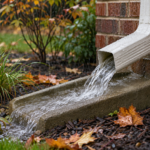
First stop the leak when that can be done safely and keep people away from electrical hazards. Tell the restoration contractor about the suspected source, affected rooms and discovery time. A supply leak discovered promptly and carpet soaked by sewage require different decisions. If the source is unknown, do not treat the water as clean merely because it looks clear.
Understand what the drying window means
The Environmental Protection Agency’s clean-water response table recommends drying carpet and backing within 24 to 48 hours. It describes extraction, dehumidification and air movement as coordinated measures. The table also cautions that this interval is a guideline: Drying within it does not prove mold never developed, and passing it does not guarantee that growth occurred.
Those recommendations apply to clean-water damage. EPA cautions against using fans before determining that the water is sanitary and advises experienced help when contamination is involved. Ask the contractor which conditions support the proposed approach. The useful answer identifies the water source and materials, rather than offering the same drying package for every wet room.
Include the layers you cannot see
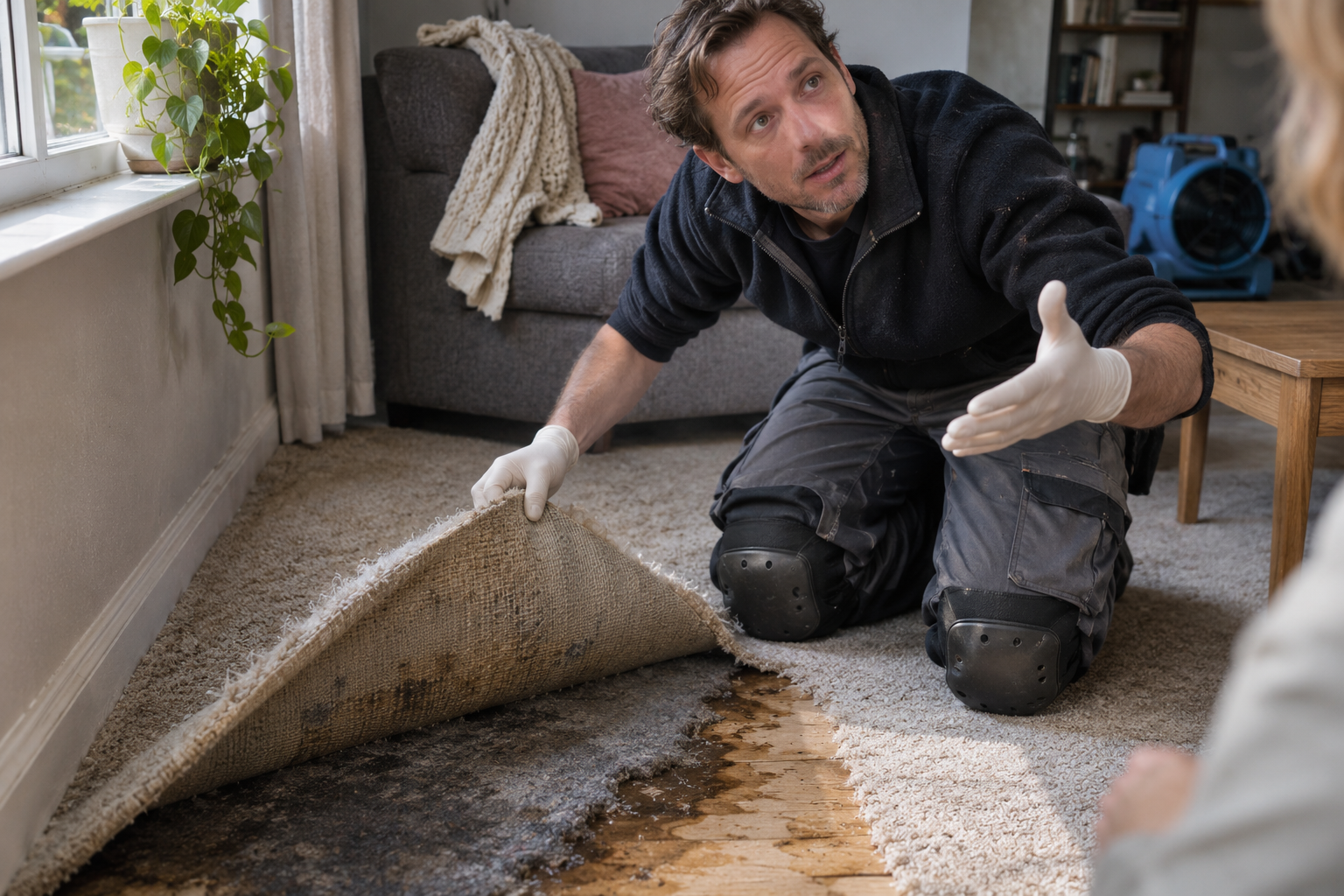
Carpet, backing, padding and the underlying floor form an assembly. EPA specifically notes that the subfloor must also be cleaned and dried. Ask whether the plan includes inspecting beneath the carpet, deciding whether padding can remain and checking the floor before anything is put back. A pleasant surface appearance is not the completion criterion.
For example, a property manager approving work in a small office should ask what the contractor found under the carpet and how that finding changes the scope. Request separate explanations for drying, removal and replacement. That makes the proposal easier to understand without expecting the owner to diagnose material conditions or operate unfamiliar restoration equipment.
Approve a documented next step
EPA’s household mold guidance says absorbent materials such as carpet may require disposal if they become moldy. It also recommends experienced professionals for damage caused by sewage or other contaminated water. Do not cover a continuing moisture problem with new flooring. Establish the cleanup and drying requirements before scheduling the installer or moving furniture back.
Keep the decision record simple: source, affected layers, materials to retain, materials to remove and the conditions required before replacement. Use NDR’s explanation of air movers and dehumidifiers to understand why equipment works together, then ask how the contractor will confirm progress in your room. The goal is a defensible material decision, not simply a shorter equipment rental. Before approving the estimate, ask for the decision in language a household member or manager can understand. Which layer is damaged, what work is proposed and what finding would change the plan? Keep that explanation with the invoice, so a flooring discussion starts with the same facts instead of a guess about what happened.
Sources and editorial note
Prepared Nov. 5, 2026. Original practical guidance informed by the following primary sources, checked for this article. This article does not describe a specific customer or event.