Coordinate protection before an outage
Before repair work interrupts a commercial building’s fire protection system, coordinate the plan with the building owner, qualified system contractor and local fire authority. Do not assume an ordinary maintenance appointment covers the decisions needed to keep an occupied property protected.
Arvada Fire’s impairment guidance describes an impairment as a shutdown or reduction in a required system’s effectiveness. Its local process addresses notification and measures such as fire watch when required. Requirements and acceptable arrangements must be confirmed with the authority responsible for your building.
Begin by identifying the affected equipment, the area it serves and the proposed duration. Ask who has authority to take it out of service and who confirms restoration. A contractor’s availability does not establish whether occupied operations may continue.
Make the handoffs explicit
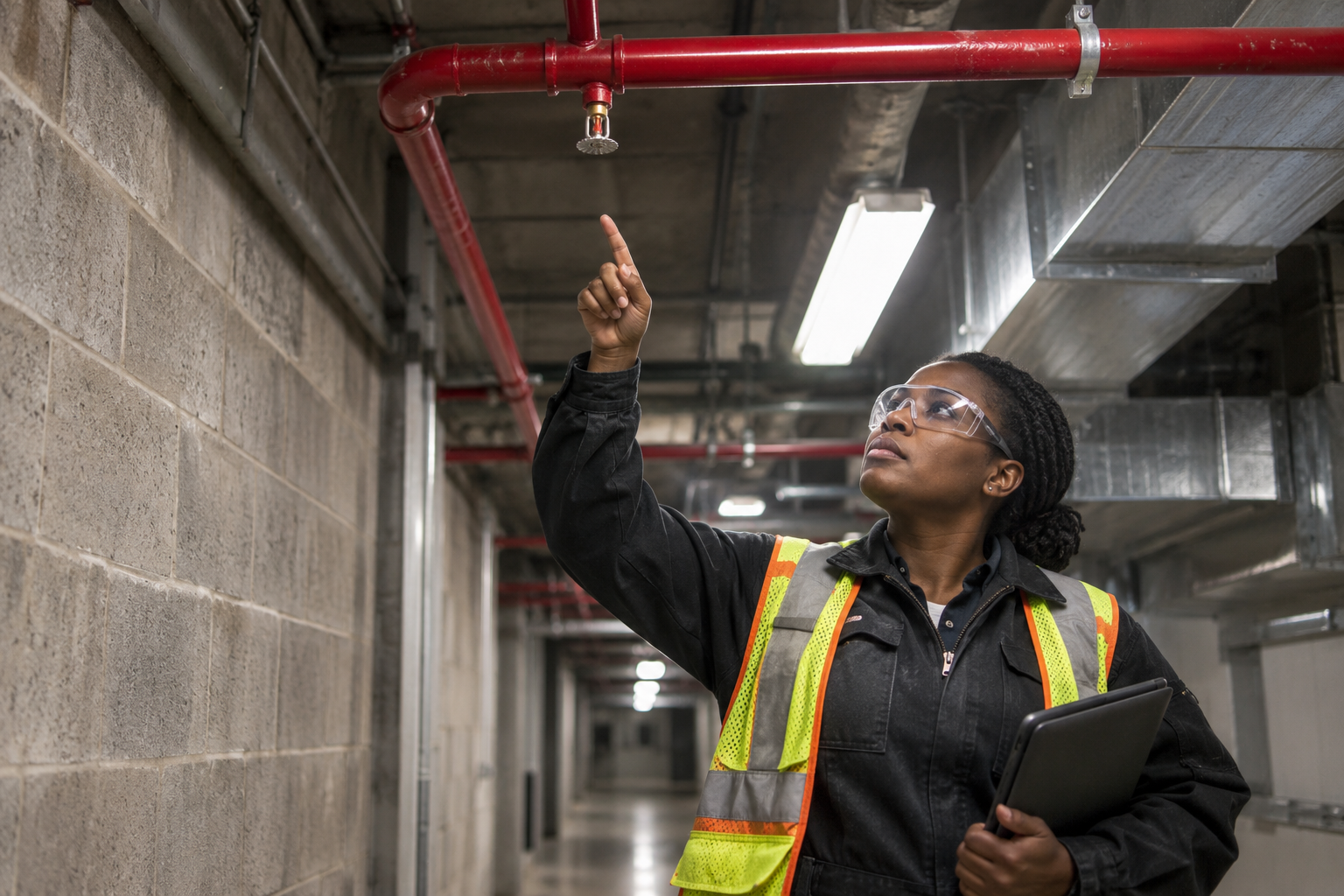
Consider a hypothetical sprinkler repair serving only part of a building. The manager needs a clear description of the affected area and what that means for occupants, monitoring and emergency arrangements. Calling it a small repair does not answer those questions.
Prepare a contact list for the owner, system contractor, monitoring provider and responsible authority. Confirm which notifications are required and who will make them. If a fire watch or another protective measure is required, clarify its qualifications, coverage, documentation and ending conditions with the authority.
Ask what happens if the repair takes longer than expected or reveals another problem. A written escalation point helps prevent a planned short interruption from becoming an unreviewed extended outage. Keep affected tenants informed through the building’s established communication process.
Verify restoration
Obtain the contractor’s record of work, testing and remaining issues. Confirm that required notifications and monitoring arrangements are restored through the appropriate process. Do not equate the end of physical repair activity with clearance to resume every operation.
For multi-tenant buildings, name one coordinator for the shared system. Individual tenants should not independently authorize changes that affect other spaces without involving the responsible owner, contractor and authority through the established process.
Use NDR’s Commercial Property Recovery guides to organize related handoffs. The final operating decision belongs with the responsible parties and authorities, based on the actual building and applicable requirements.