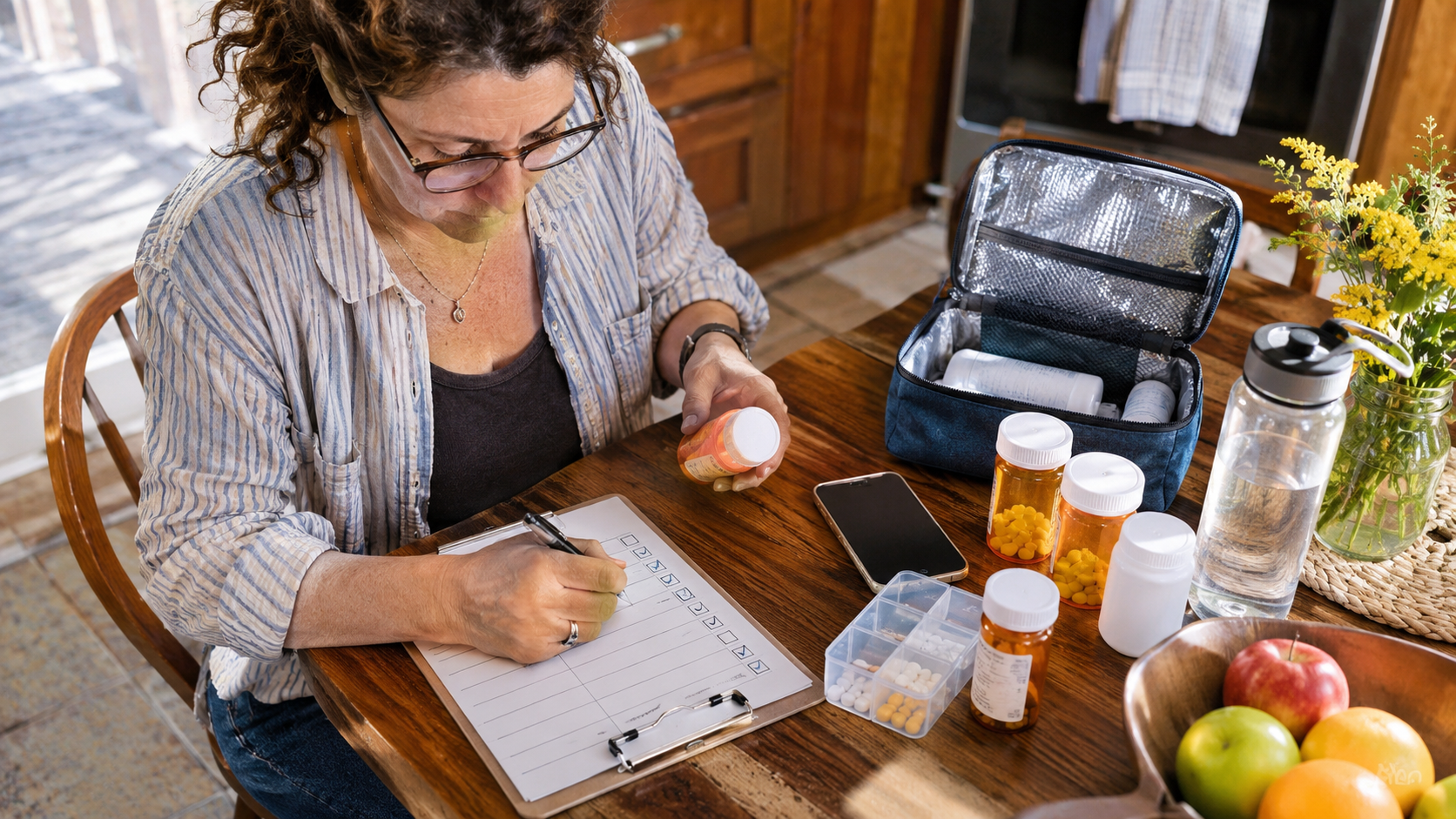

A medication plan should identify prescriptions, refill timing, storage needs and the people who can help when routines are disrupted. A bag of pills without current information may not solve the practical problem.
Start with the specific condition
Begin by recording the location, date, visible condition and the decision that is still open. Keep photos, invoices, messages and observations together, but distinguish what you saw from a conclusion about cause, safety, coverage or responsibility. That distinction helps the people who must evaluate the work later without overstating what the record can prove.
The Ready.gov emergency-kit guidance provides useful standing guidance for this kind of recovery decision. Its general recommendations do not determine the requirements for a particular property, policy, contract or jurisdiction. When conditions involve a regulated trade, public safety, utilities or life-safety systems, use the appropriate qualified professional and local authority.
Turn the observation into a decision
Ask three practical questions: What needs to happen immediately to limit additional damage or protect people? What evidence or assessment is needed before permanent work closes access? Who has authority to approve the next step? Writing those answers prevents an urgent first action from being mistaken for approval of every later repair.
For a hypothetical property loss, an owner might have enough information to authorize limited protective work but not enough to approve replacement materials or a final scope. That is normal. The useful response is to set a checkpoint, record what will be reviewed and give everyone a time for the next update rather than guessing at the outcome.
Keep affected areas accessible until the agreed inspection or documentation step is complete. Do not treat an apparently dry surface, a completed cleanup task or a vendor arrival as proof that every related system is ready. Conditions can vary by materials, building design, water source, equipment and local requirements.
Use the written record to compare the proposal, claim communication or work plan with what was actually observed. If something remains unclear, ask the responsible party for the missing information in writing. NDR’s related guidance offers additional recovery questions.
Before closing the file, confirm the next responsible person, the expected update and the conditions that would require another review. This practical checkpoint keeps a routine recovery decision traceable as conditions change.
Before closing the file, confirm the next responsible person, the expected update and the conditions that would require another review. This practical checkpoint keeps a routine recovery decision traceable as conditions change.
Before closing the file, confirm the next responsible person, the expected update and the conditions that would require another review. This practical checkpoint keeps a routine recovery decision traceable as conditions change.
Before closing the file, confirm the next responsible person, the expected update and the conditions that would require another review. This practical checkpoint keeps a routine recovery decision traceable as conditions change.
Before closing the file, confirm the next responsible person, the expected update and the conditions that would require another review. This practical checkpoint keeps a routine recovery decision traceable as conditions change.