
Map the door sequence
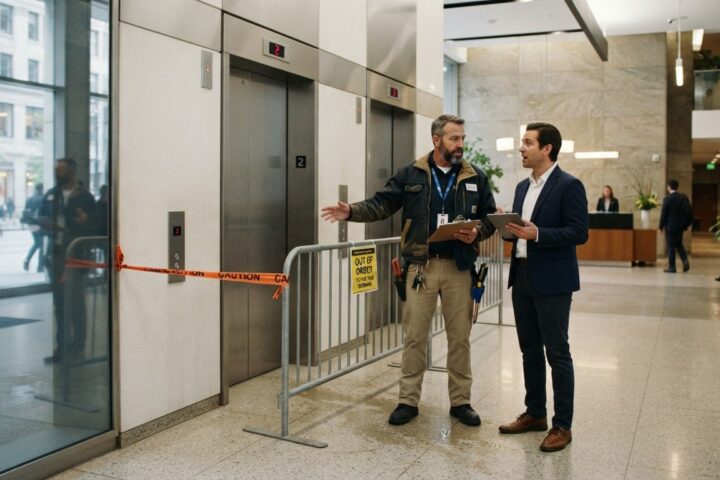
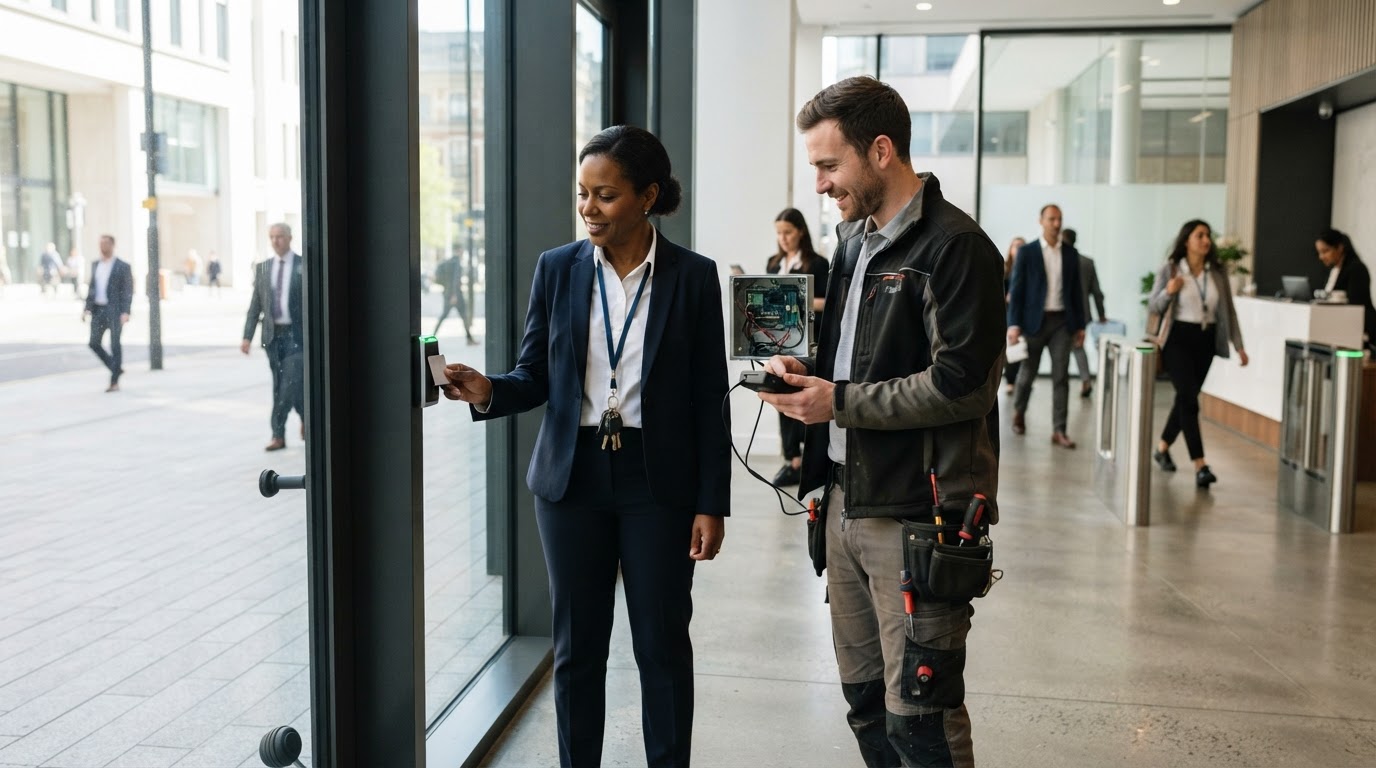
Identify which doors control entry, which doors must allow free egress and which systems depend on local power, network service or a central controller. Document the test result and any exception. The OSHA exit-route guidance addresses the importance of maintained exit routes; it does not replace local fire, building, accessibility or security requirements for a specific facility. Coordinate the facilities team, security provider, IT staff and affected tenants. A reader that accepts a credential may not confirm that an adjacent door, camera or intercom works as intended. Avoid propping secured doors open as a routine workaround unless the building’s authorized safety and security plan permits it.Set a reversible opening plan
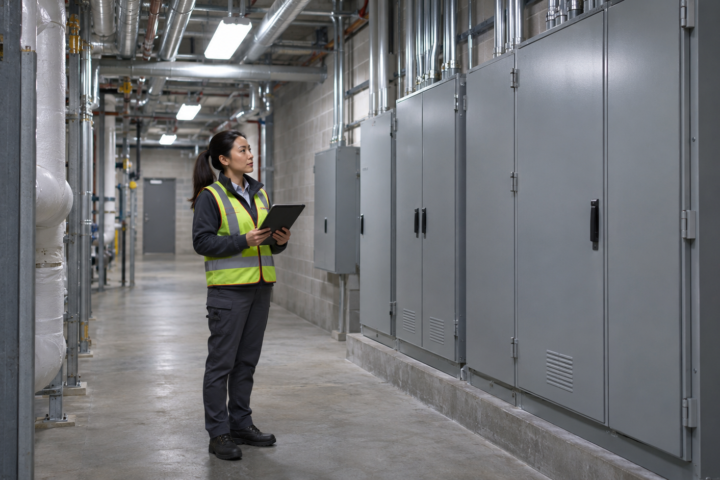
If testing is incomplete, use a staffed entry point, a temporary visitor process or a phased opening only when it can be managed safely and lawfully. Tell tenants what has been tested, what remains limited and when the next update will arrive. Do not describe the building as ready for normal operations until required assessments and authorizations are complete. For a hypothetical overnight leak near a communications closet, office lights may return before the controller and door readers do. A written access plan prevents the morning shift from discovering the problem at the locked entrance. NDR’s Commercial Property Recovery archive has related facility-recovery guidance. Record test results and restore normal access only through the responsible building process.Test the backup procedure at a realistic time, including the first arrival period and any after-hours use. Confirm who has keys, how visitors are admitted, where accessible entry is located and how emergency responders can reach the building. Any temporary process must preserve required means of egress and follow the building’s approved emergency procedures.
Once repairs are complete, perform a documented retest with the people who operate the system daily. A successful individual badge swipe is useful evidence, but it is not a blanket conclusion about every connected building system. Keep the result with the incident file and update tenant communications promptly.