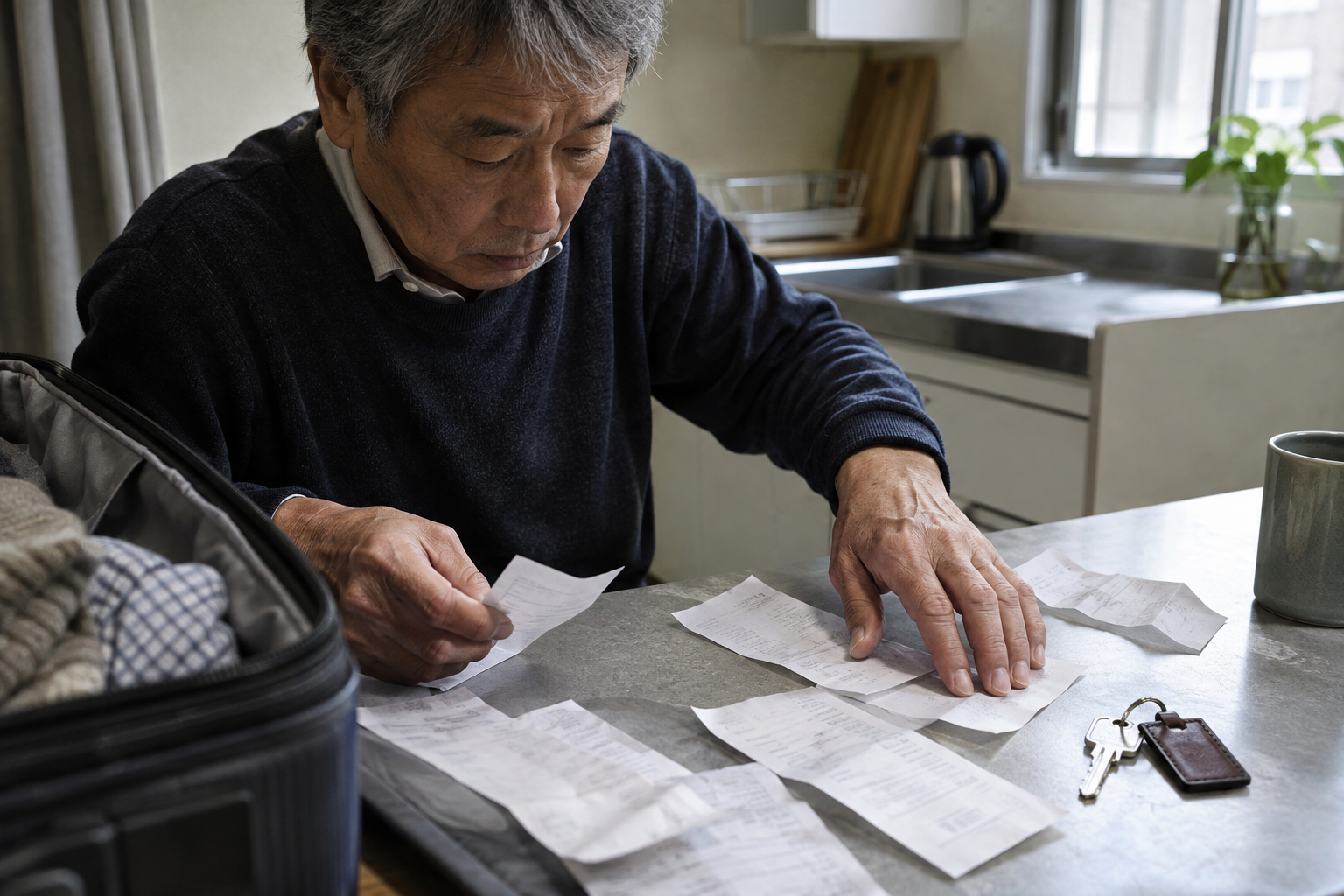
When a covered loss forces you from home, track the additional costs of living elsewhere separately from your usual spending. A hotel receipt alone may not explain the full claim. Ask the insurer which expenses qualify, what limits apply and how to submit the record before committing to a long stay.
The Texas Department of Insurance’s additional living expense guidance describes these benefits as extra costs associated with displacement after covered damage. Its state-specific guidance is a useful starting point, but your policy, endorsements and jurisdiction determine the actual benefit. Do not assume another household’s reimbursement terms apply.
Build an understandable record
Keep dated receipts and a simple explanation of each expense: lodging, meals, laundry or another necessary cost. Note what the household normally would have spent and what changed because of displacement. Preserve the insurer’s instructions and claim number alongside the records, without sending sensitive documents to unverified contacts.
For a hypothetical family staying in a rental without laundry facilities, the laundromat bill explains one added expense. Grocery spending may require a different comparison if normal food costs continue. This example is an organizational method, not a determination that either cost must be reimbursed.
Ask how deposits, advance payments and reimbursements are handled. Clarify whether there are spending or time limits and when the insurer needs updated repair information. Obtain written confirmation before extending a rental. A contractor’s schedule can inform that discussion, but it does not establish insurance coverage.
Watch the coverage boundary
Texas regulators note that National Flood Insurance Program policies do not pay additional living expenses. A separate private policy or endorsement may differ. Ask the insurer to identify the coverage being considered rather than treating every water-related loss as the same claim.
Photograph receipts and retain originals when required. Record submission dates and insurer responses so missing paperwork can be identified without recreating the entire claim.
Use NDR’s Insurance & Claims guides for related documentation questions. Your next step is a short written request: Confirm eligible costs, submission requirements, available limits and the contact who can explain a disputed item. Keep that response with the receipts so the record tells one coherent story.