First resolve the source
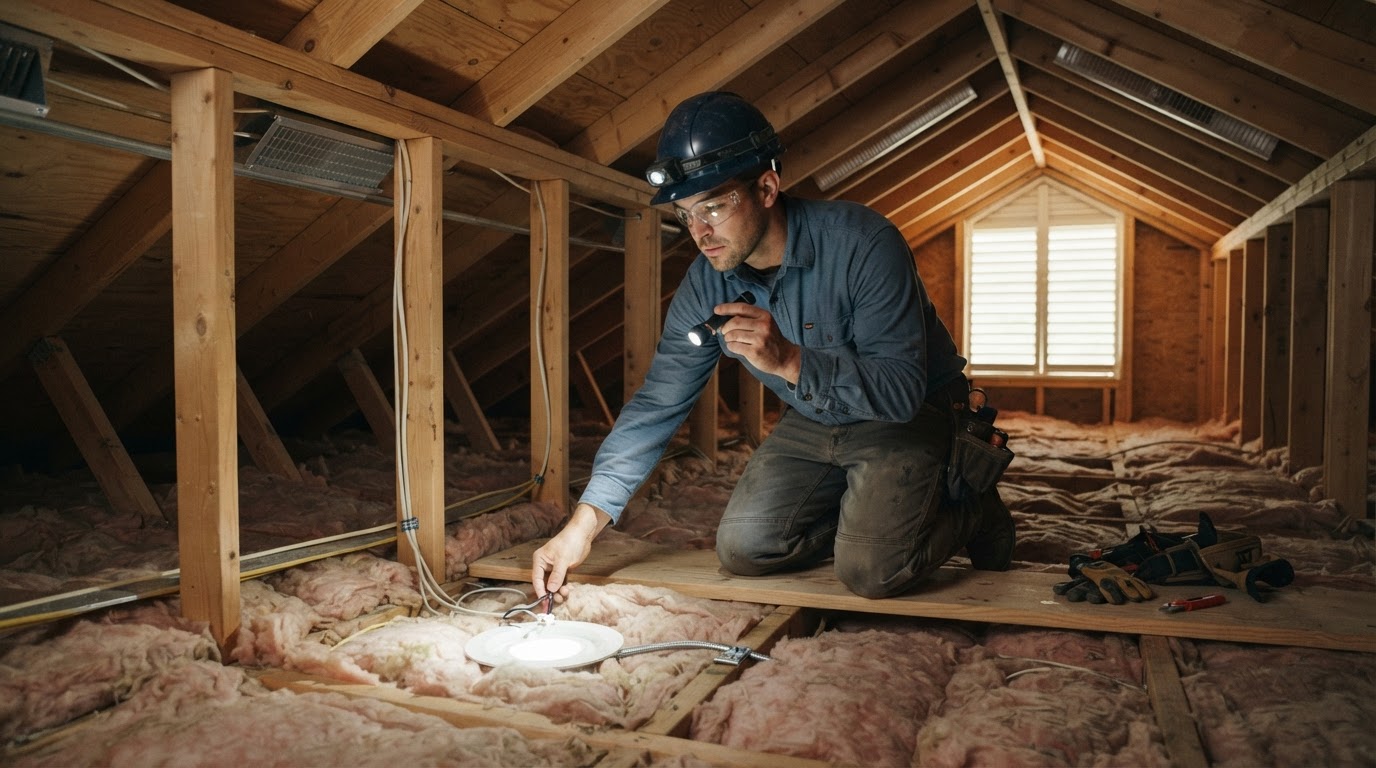
Do not seal a cavity simply because it is accessible. Confirm whether the moisture came from plumbing, roof intrusion, condensation or another source, and correct that source first. The U.S. Department of Energy’s air-sealing guidance explains how gaps can affect comfort and energy use; it does not determine the appropriate repair for a water-damaged assembly. A qualified professional can assess whether insulation is wet, compressed or contaminated and whether it can remain. Electrical boxes, combustion appliances, fire-rated assemblies and ventilation paths have specific requirements; do not block openings or apply materials where they could create a safety problem.Use the repair opening wisely
The access created for drying or repair is an opportunity to photograph the condition and identify gaps that were previously hidden. Record what was observed, where sealing was added and what remains outside the scope. This helps avoid a future dispute over whether a ceiling stain, draft or condensation condition was addressed. For a hypothetical bathroom ceiling repair, the question may be whether humid air is escaping around a fan housing while the fan itself is undersized or improperly vented. Closing the drywall without checking the duct route can leave the underlying moisture pattern unresolved. NDR’s Rebuilding & Prevention archive covers related resilience choices. Finish the repair only after the moisture source and relevant building-system details have been evaluated.Ask whether the repair changes the building’s thermal, moisture or fire performance. An insulation product, sealant or patch material may be appropriate in one assembly and unsuitable in another. Manufacturer instructions and applicable codes matter, particularly around recessed lights, chimneys, ducts and electrical components. When the condition is unclear, a qualified building professional can identify what needs further review.
Take photos before insulation or drywall covers the area. These images are useful later if the pattern returns or if a contractor needs to understand the earlier repair. The aim is not to turn every small patch into a major renovation. It is to avoid sealing over a moisture path that has not been understood.
For work that requires a permit or inspection, ask who will obtain it and how you will receive the final record.
Ventilation and air sealing work together but do not mean the same thing. Sealing unintended gaps can reduce moisture-laden air movement; ventilation components may be required to manage conditions in the assembly. The correct approach depends on roof design, climate, insulation and existing systems. Avoid using a generic online fix as a substitute for an assessment of the particular building.
Record product names and locations if materials are installed. Future repair teams need to know what is behind the finished surface, especially when wiring, ducts or fire-rated assemblies are nearby.