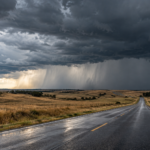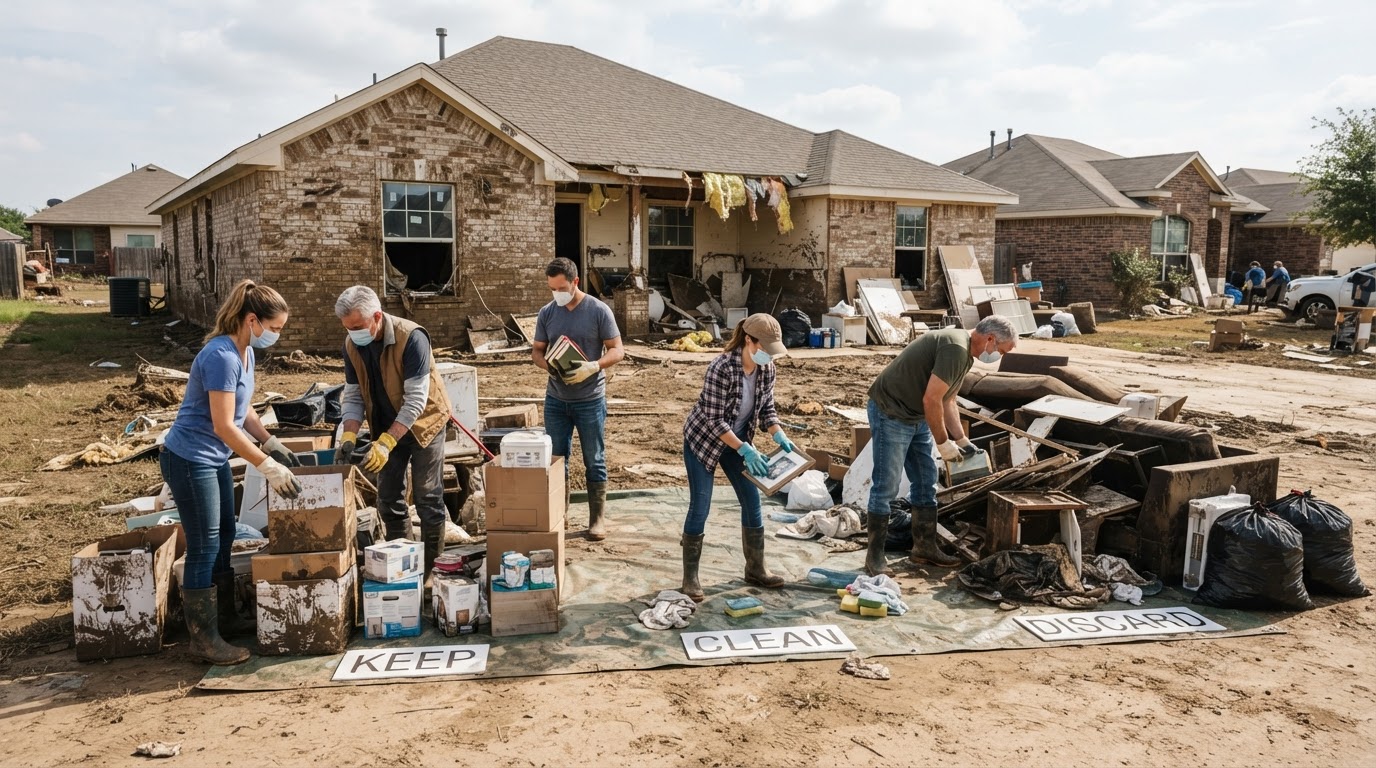
Flood cleanup starts with safety and documentation, not demolition. Before entering a damaged building, follow local re-entry instructions and watch for structural, electrical, fuel and contamination hazards. If conditions are unsafe or uncertain, wait for qualified help. A flooded property can contain hazards that are not visible from the doorway.
When entry is authorized and safe, photograph or record each room before removing damaged property. FEMA advises documenting both the exterior and interior, including personal property, and saving repair receipts. Capture appliances and equipment from several angles, including identifying information where it is visible. Keep damaged and undamaged items separated when possible so an insurer can understand the loss.
Then sort materials based on what happened to them, not just on their purchase price. Floodwater may be contaminated. EPA warns that damaged buildings can expose people to hazards including contaminated water, leaking chemicals and microorganisms. Use appropriate protective clothing and avoid unnecessary contact with floodwater, wet materials and chemical spills. Follow product labels when using cleaners or disinfectants, and never mix products unless the label specifically directs it.
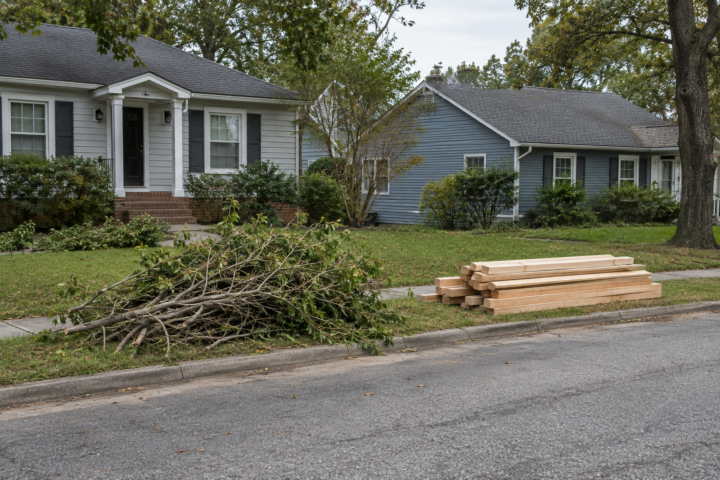
Remove standing water and wet materials as conditions allow. EPA advises that materials unable to be thoroughly cleaned and dried may need to be discarded, particularly after extended wetting or contamination. Paper, fabric, untreated wood products, insulation and other absorbent materials can hold moisture. The correct decision varies with the material, water source, time wet and whether complete cleaning and drying are feasible.
Create three clearly labeled groups: items to retain for insurer review, items that may be cleaned or dried, and items that present a health or contamination concern. This is an organizational tool, not an insurance coverage decision. Do not discard evidence until it has been adequately documented and you understand any instructions from your insurer, unless an item poses an immediate health risk.
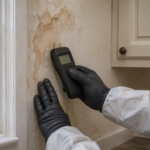
Drying a flood-affected building may require removal of portions of wall, ceiling, flooring or insulation so trapped moisture and contamination can be addressed. EPA notes that a building immersed in contaminated floodwater can require extensive removal and drying. A professional with experience in contaminated-water cleanup can help determine a safe scope when conditions are significant or uncertain.
Before rebuilding, keep the record: photographs, room list, disposal notes, contractor scopes, receipts and communications. The file supports a claim and helps the owner compare what was removed, cleaned and replaced. Flood recovery moves faster when safety, evidence and material decisions are made in that order.